
Fun Fact Antlers or Horns…
Antlers: Male Deer Species (deer, elk, moose & reindeer/caribou) grow and shed (drop) antlers annually. Female reindeer grow antlers, too. Antlers start growing in spring with a soft fur coating called velvet. The velvet is rubbed off in the fall to expose hard, heavy antlers which are used for fighting and to harvest food. Antlers fall off in late winter or early spring when new growth begins.
Horns: Male Antelope and perhaps 75% female antelope have horns. They grow them longer and larger throughout much of life, never shedding them like deer do. Horns come in pairs and may be straight, curved, or spiral. Only the American prong-horned antelope sheds its short, forked (pronged) horns annually and has no visible horns at birth.
What’s in a name…bucks, bulls, & stags. Does, cows, & hinds
You won’t be wrong if you call a male deer a buck or a stag. However, older and larger males are usually called stags, primarily red deer and fallow deer. One may call a male moose or elk, a bull.
You won’t be wrong if you call a female deer a doe. However, hind is specific for female red deer or sika deer. Cow is specific for female moose, elk, or reindeer/caribou.
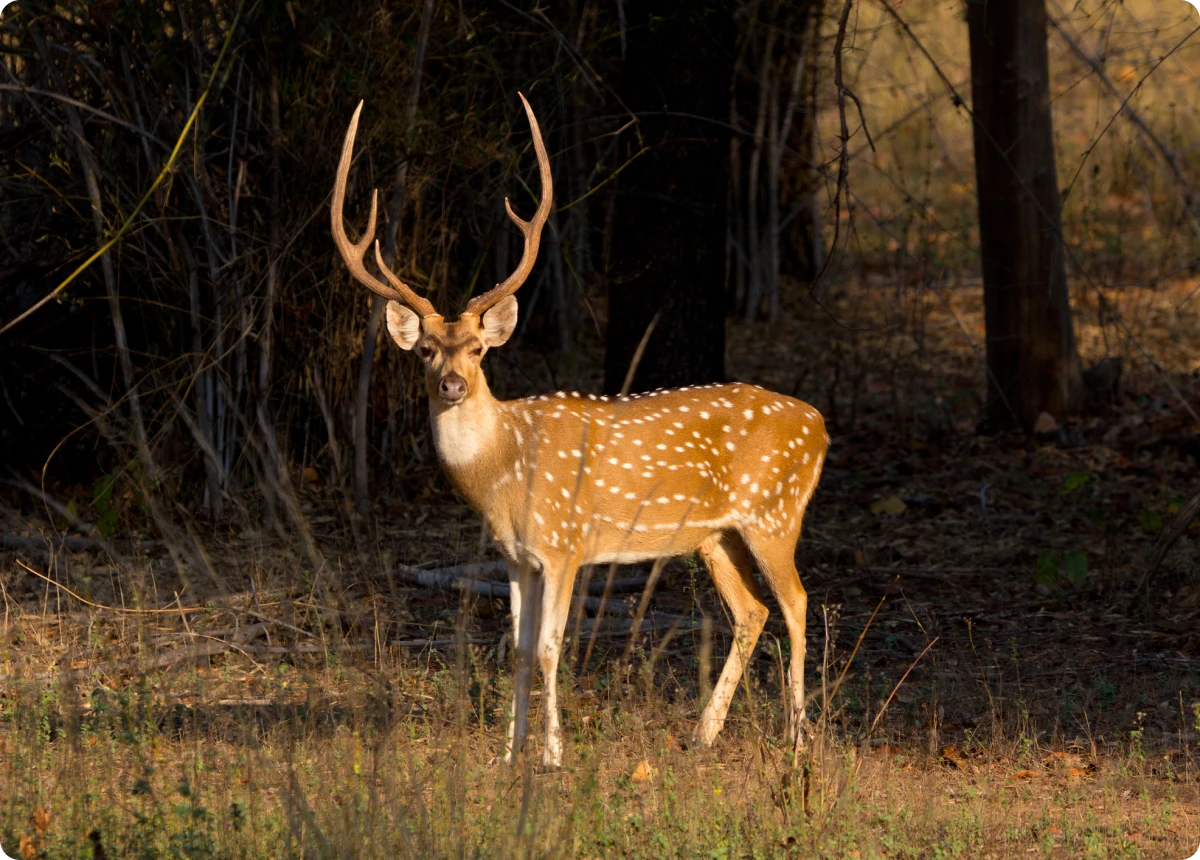
Axis Deer
Axis Deer. This native of India is most valued for its exotic trophy antlers, beautiful, spotted hide, and delicious venison meat which is similar to fine veal but lower in fat and cholesterol. Axis are found in the USA in Texas, Florida, and Hawaii in great numbers.
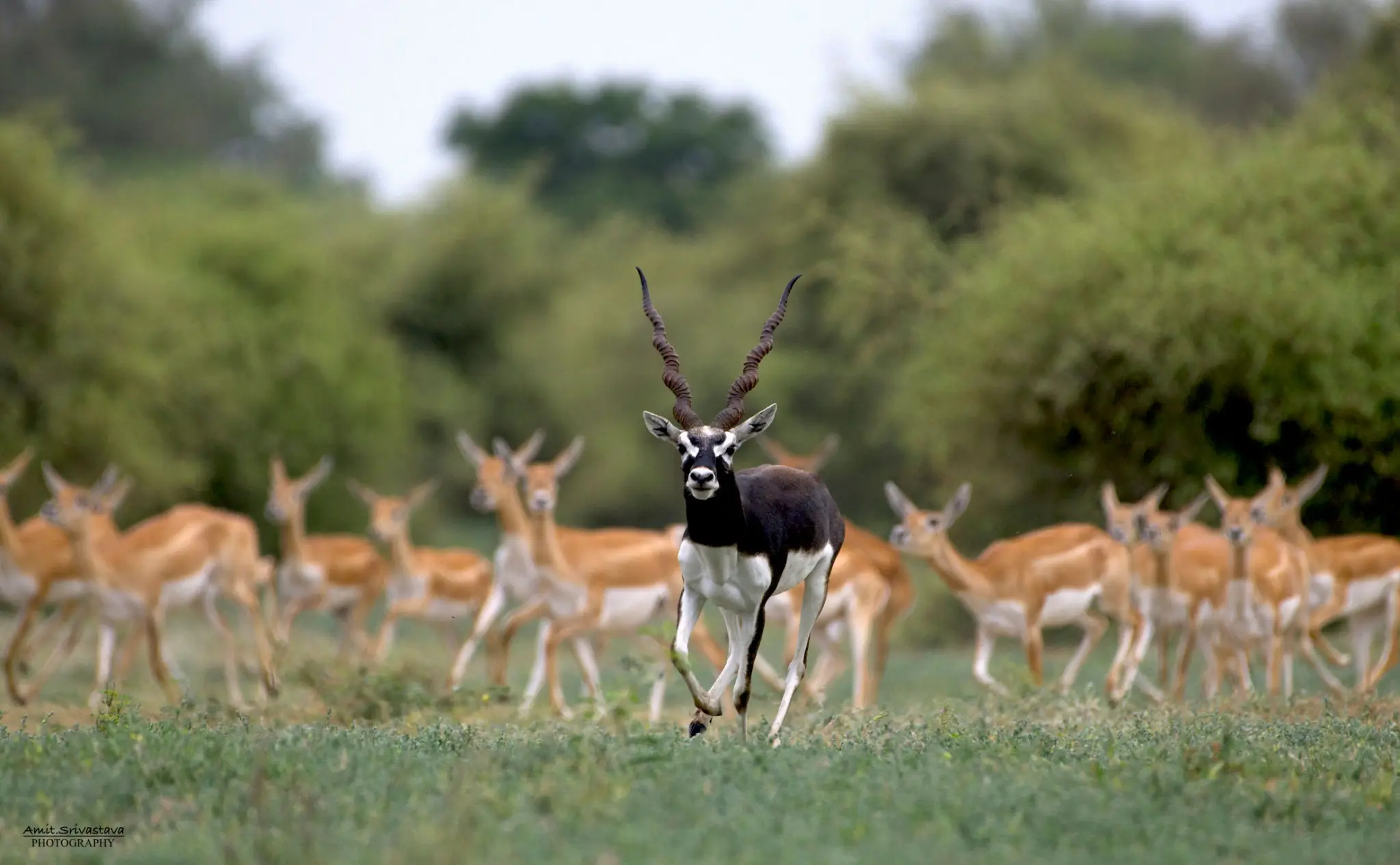
Blackbuck Antelope
This native of India is a beautiful mid-sized antelope in black, fawn gold, and white. The females and young males are always fawn and white. The male gets blacker on his back as he gets older. Trophy horns on this antelope are over 21″. Legend has it that Indian maharajas would have champion fighting Blackbucks. The winning Blackbuck would wear jeweled necklaces and a purple velvet cape. Blackbuck are found in great numbers in Texas, USA.
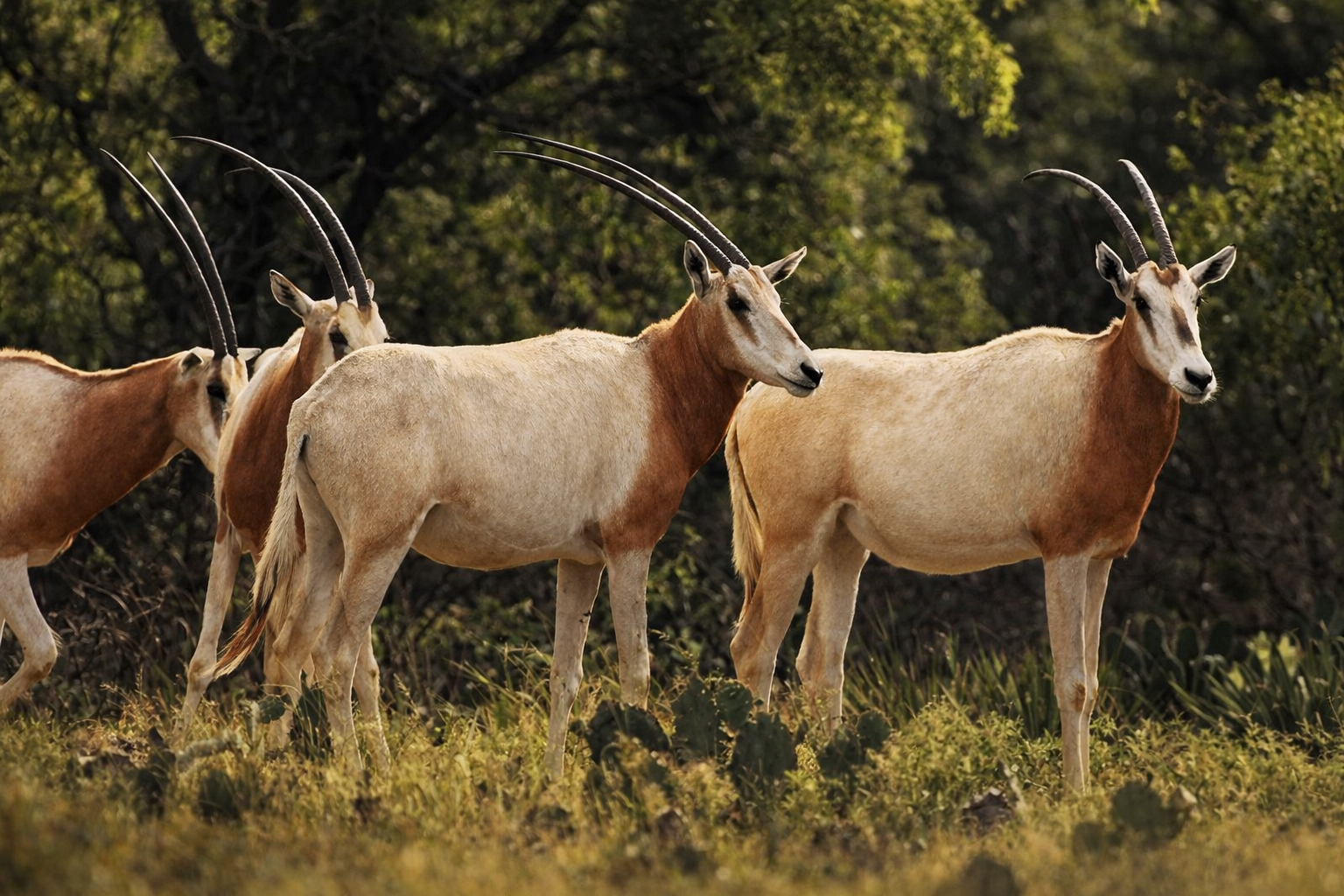
Scimitar Horned Oryx
This native of Chad, Africa, is now extinct there. These large royal white antelope offer curved, razor sharp horns in both sexes. 43″ is a very nice trophy. Legend has it that the myth of the Unicorn comes from this beautiful animal whose curved horns, at a distance, can look like one horn and whose body, particularly in motion, looks very horse-like. They are found in great numbers in Texas, USA.
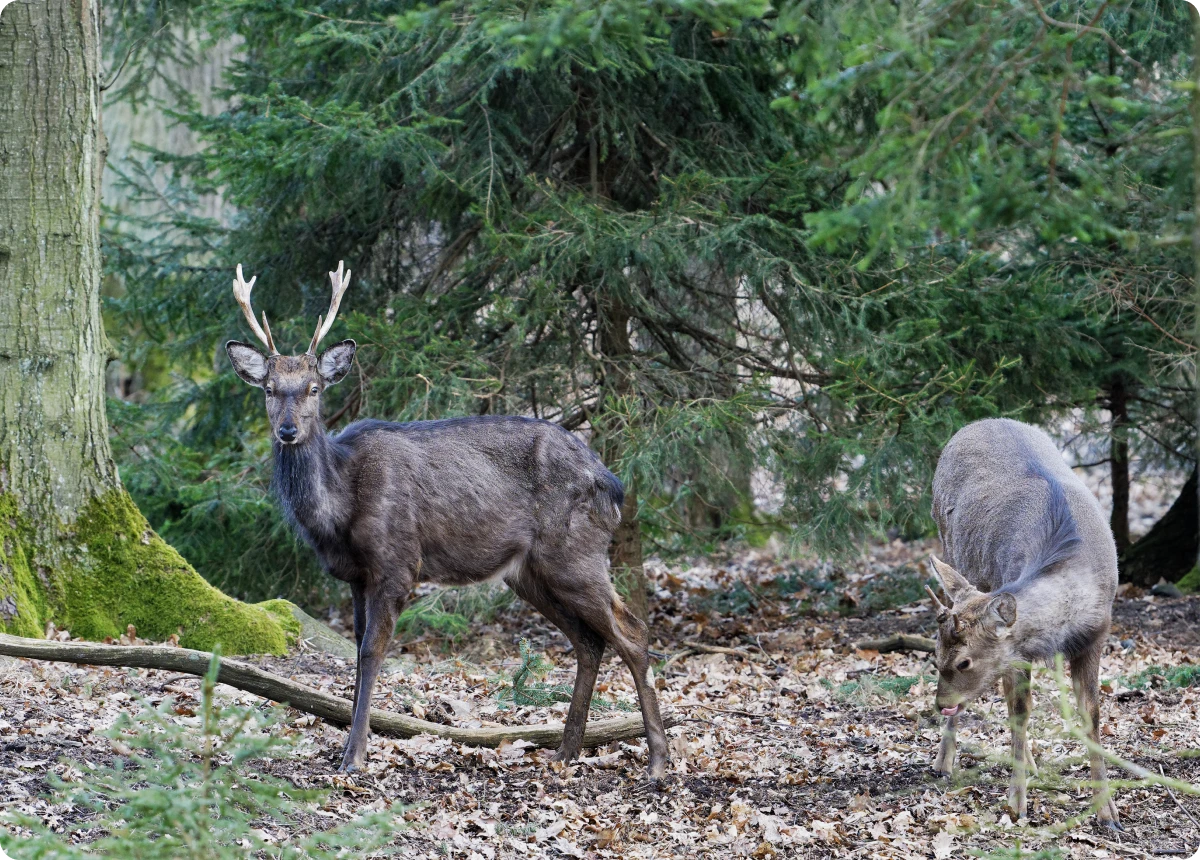
Manchurian Sika Deer
This native of China and Manchuria is a small, elk-like deer and is a staple in the Orient. Sika venison is stronger flavored so you need to find just the right recipe to enhance its attributes.
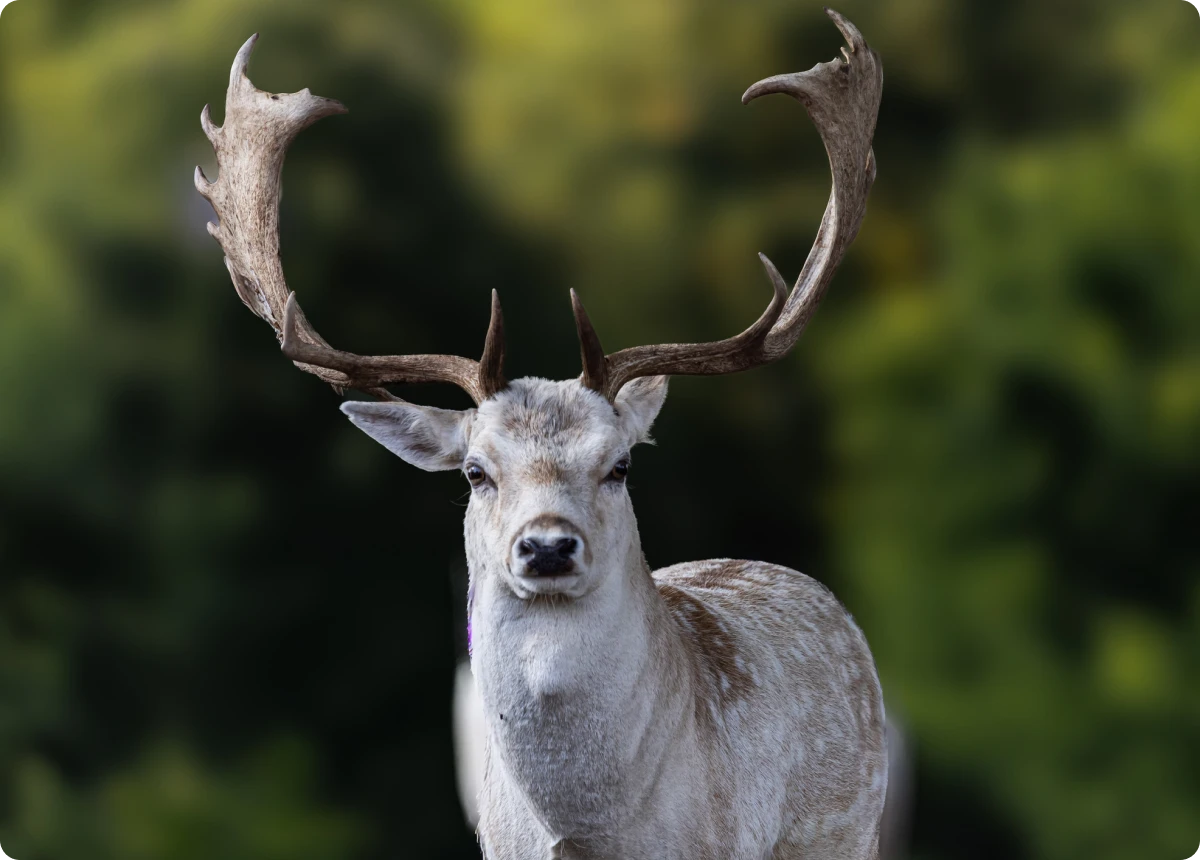
Fallow Deer
This native of Europe is known as the trophy of kings. It has large palmated antlers. European venison recipes are based on the unique flavors of the Fallow. The Fallow comes in several colors, all with spots: dark chocolate brown, light brown, white.
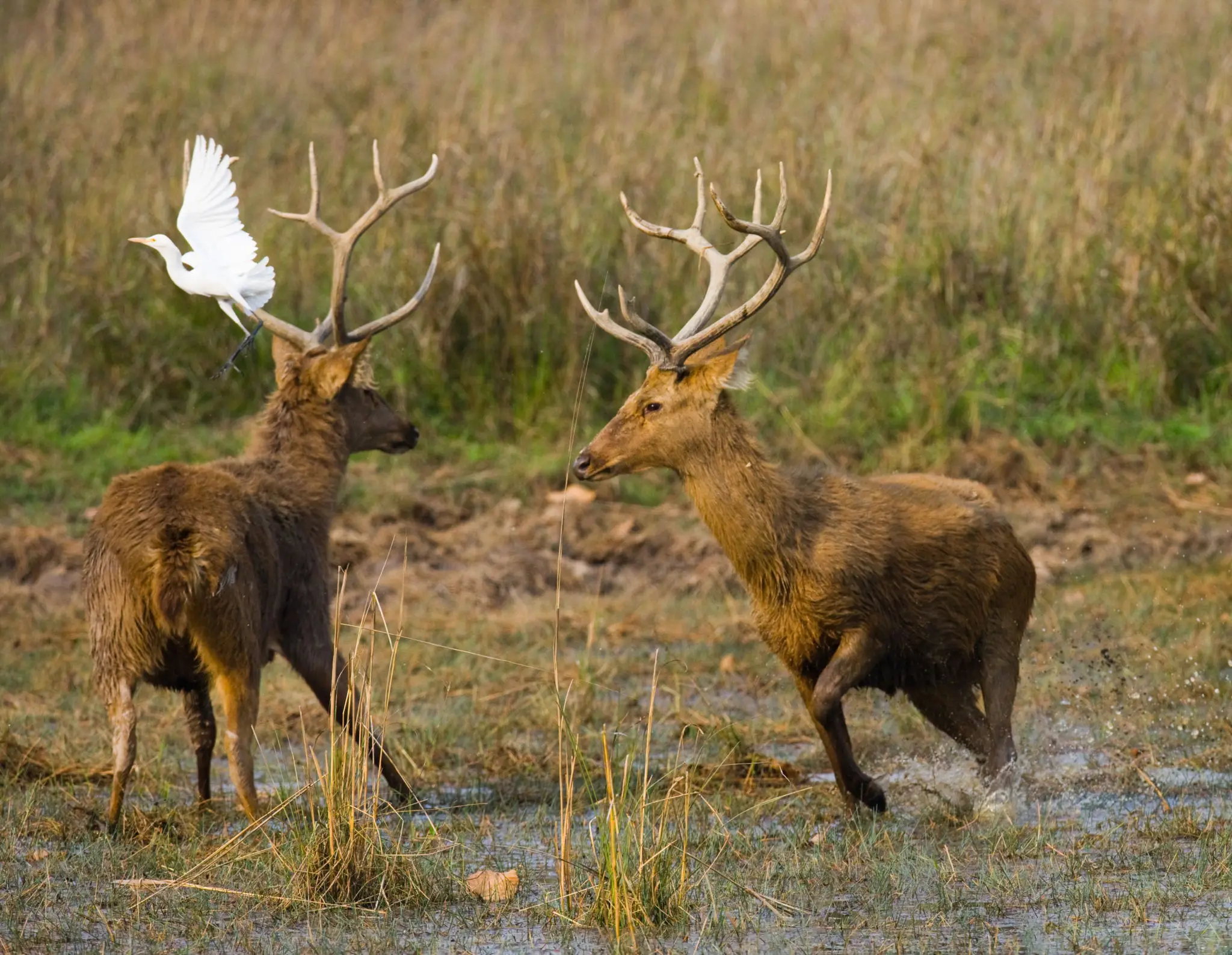
Barasingha Deer
This deer is endangered in its native India. It is larger than an Axis and smaller than an elk. Seasonally, it has an orange-brown coat or brown. It has mild and delicious meat. It is reproducing well in Texas, just like Axis Deer.
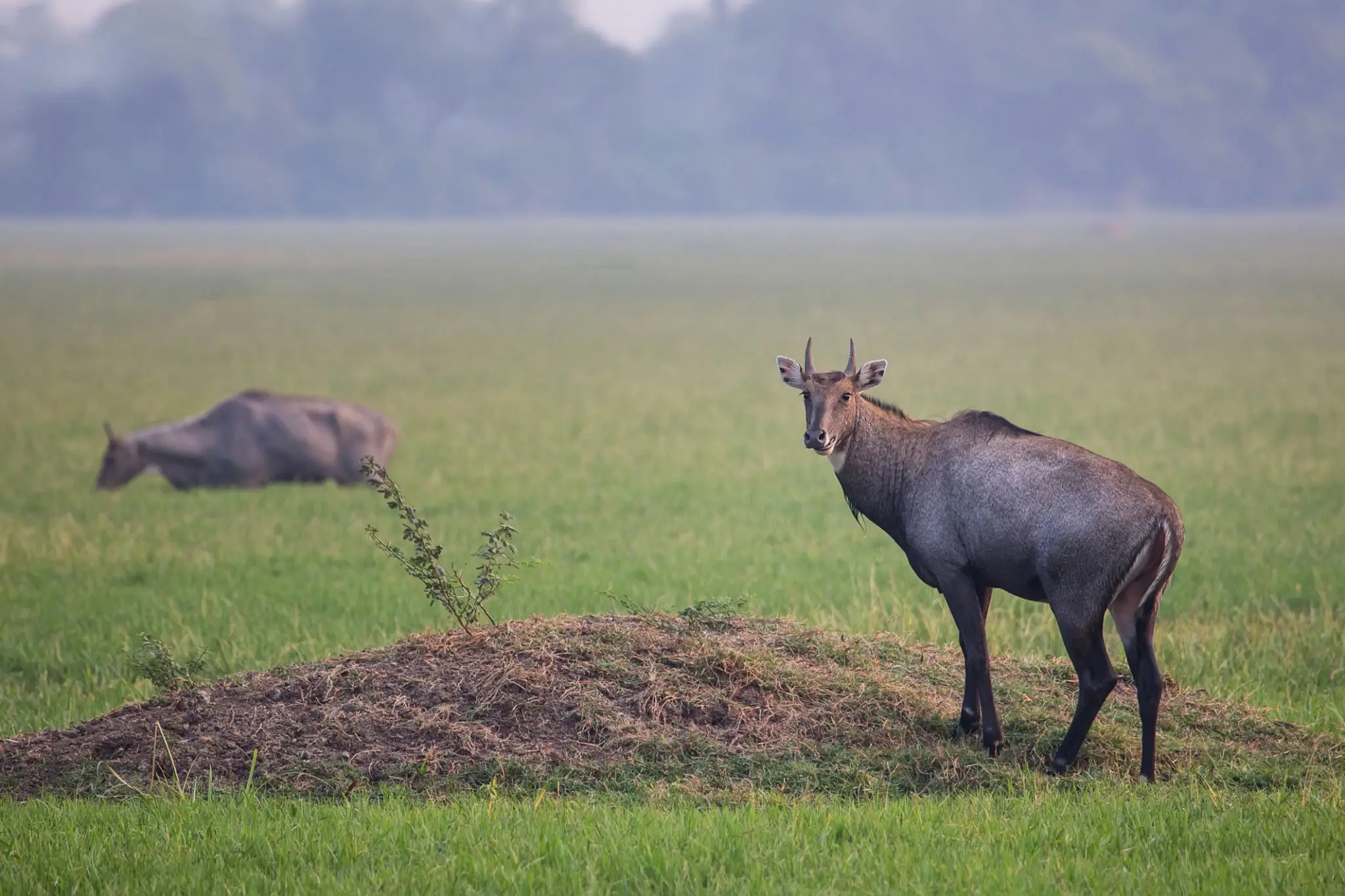
Nilgai
The nilgai "blue cow" is the largest antelope of Asia. It thrives in its native homelands and in South Texas where it is harvested in the wild as “South Texas Antelope” and served in many top restaurants all over North America.
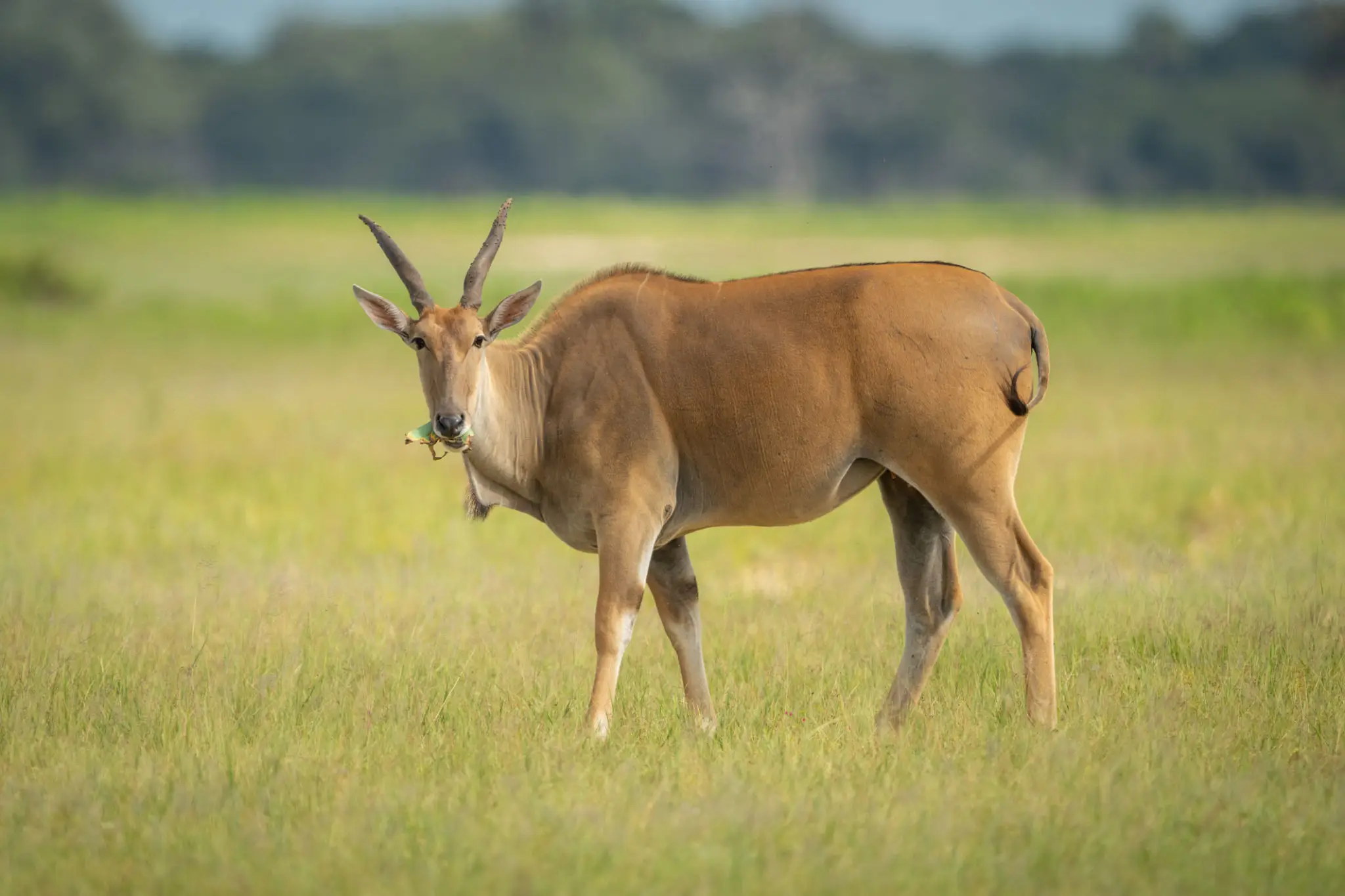
Eland
The Eland is known as a Super Exotic in Texas but steak dinner in African nations. It is a large antelope. Numerous in Africa. Pricy and successful in South Texas, USA.
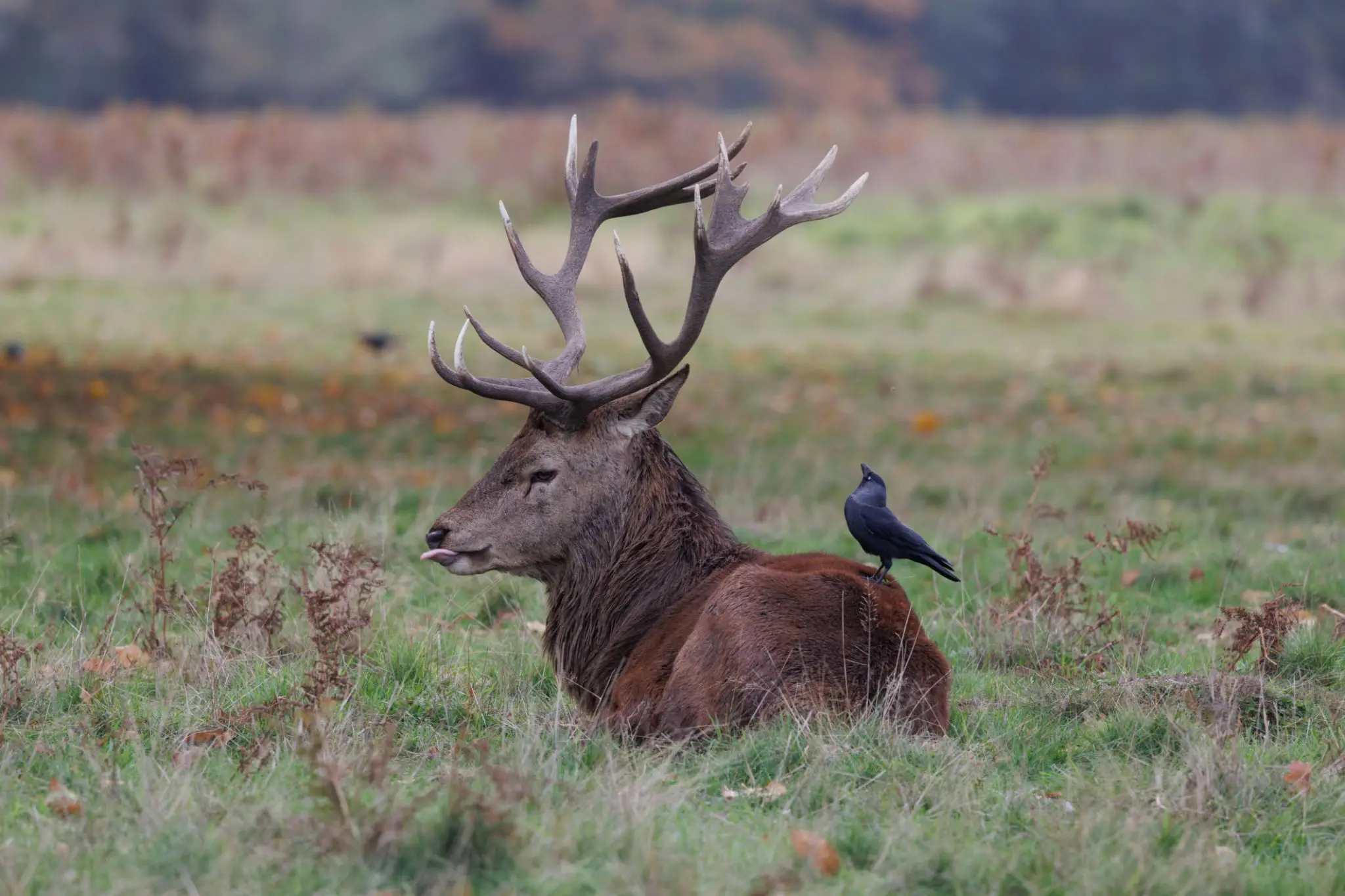
Red Deer
This large red-brown deer is found in Europe, Asia, North Africa, North America, Australia, and New Zealand. It is usually “farmed” in paddocks and managed for its venison production. Red Deer is a popular venison choice for world restaurants.
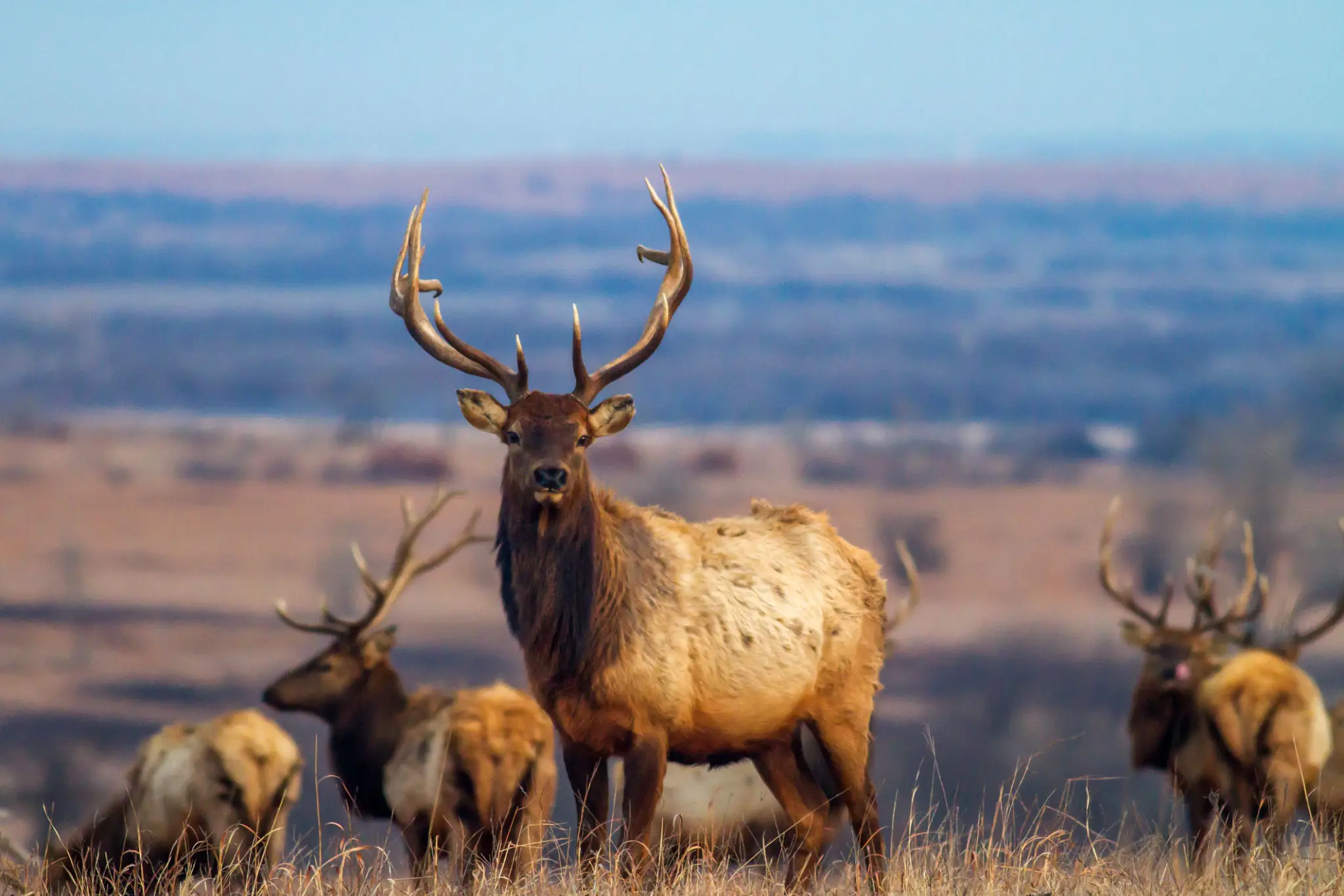
Elk (also known as Wapiti)
This second largest of the deer species (behind the moose) is native to North America, North, East and Central Asia. It runs wild in the mountains of both American coasts. It is farmed for its venison in New Zealand and Australia. It’s a favorite restaurant choice around the world.
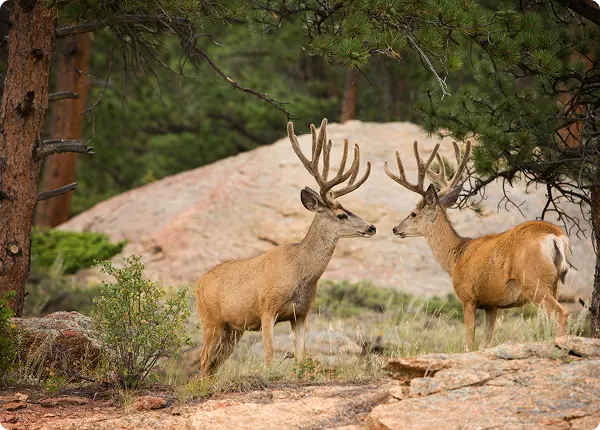
Whitetail Deer and Mule Deer
These beautiful natives of North, Central and South America are very prolific, more than at any time in recorded history. Their more recent success can be attributed to eradicating the Screw Worm livestock pest. In North America, for sure, this species is “owned by the people.” They roam free. Governments issue licenses to hunt so species numbers can be managed for the overall success of these beautiful animals.
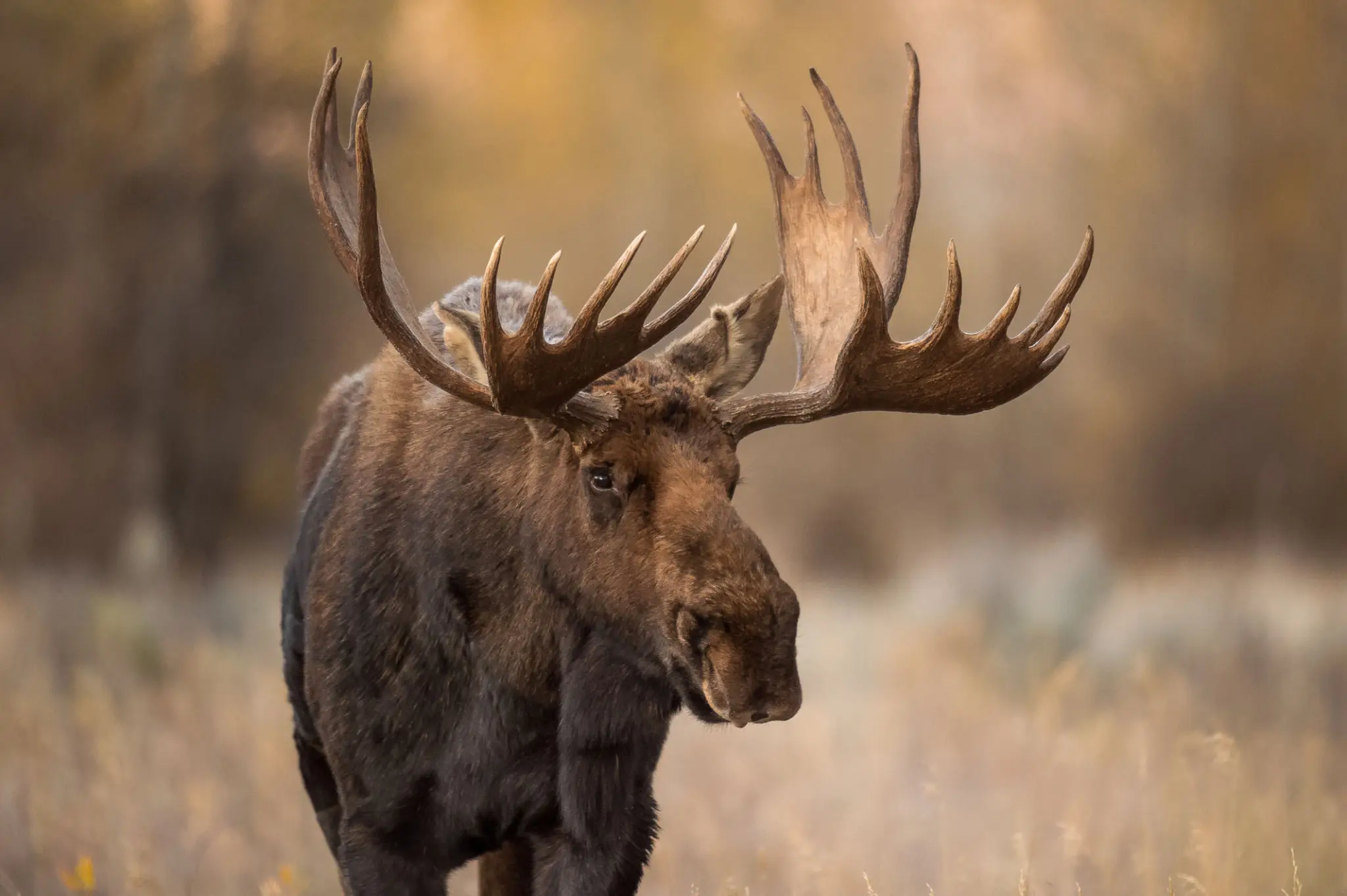
Moose
Largest deer. Males can weigh over 1,500 lbs. and stand 6 feet + at shoulder. They are native to N America and Eurasia with annual huge, palmated antlers. They graze on land and under water. Yes, they swim and dive. Their meat is lean, similar to lean beef and slightly sweet. Steaks, stews, and sausages.
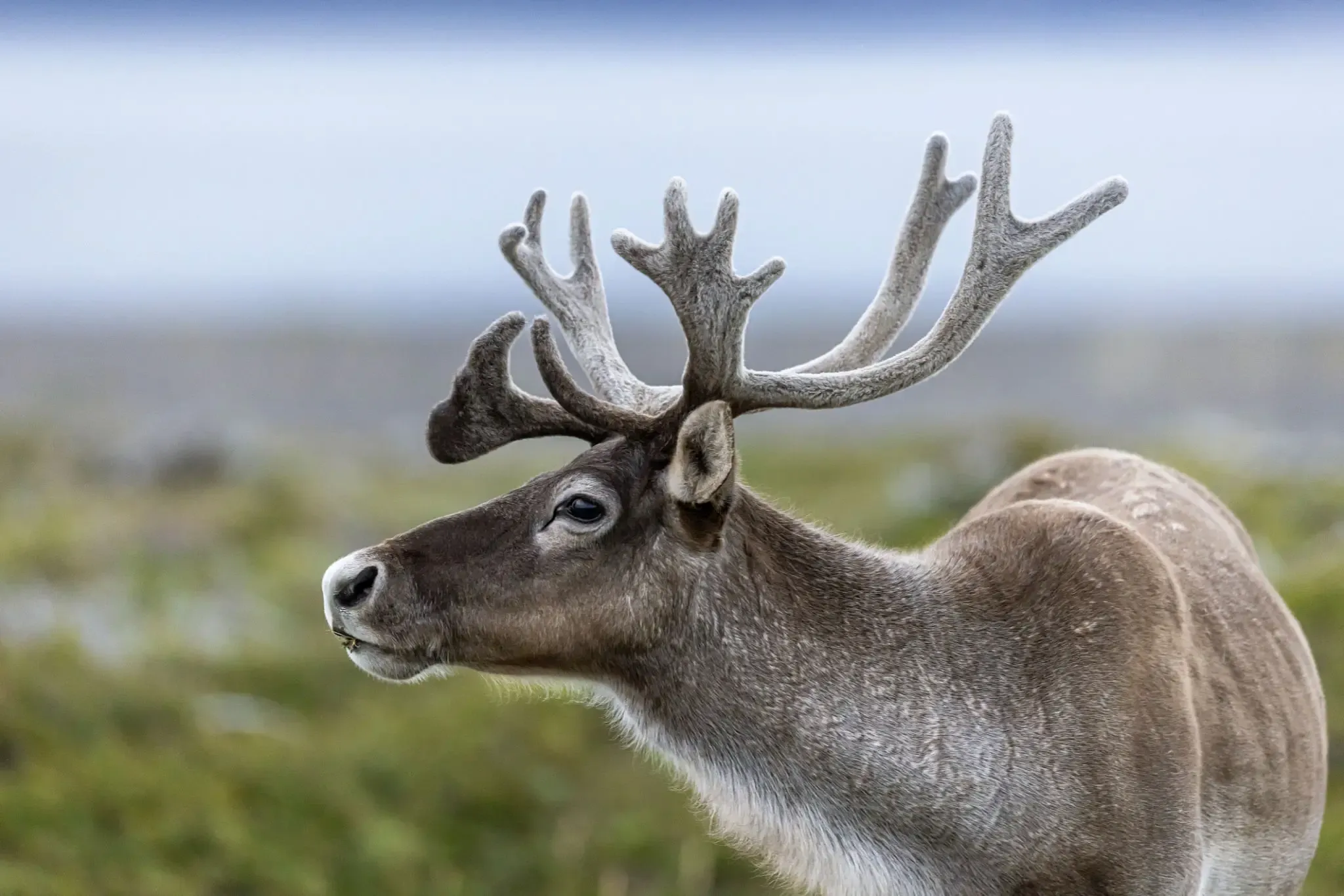
Caribou & Reindeer
“Caribou” are found in N American wild herds. “Reindeer” are the same deer species found in Eurasian farmed & wild herds. They are Arctic, Subarctic. Males & most females grow antlers annually. The meat is mild, slightly tangy and prepared as steaks, stew, and sausages.